Assessing Complex Trauma
This workshop will describe a three session model for the assessment of Complex Trauma (aka Developmental Trauma Disorder). A brief description of what is Complex Trauma and its effects on child development and the importance of parenting will be followed by a presentation of the assessment protocol. This assessment protocol is multi-modal and uses data from records, caregivers, various psychometric instruments. Screening of the various domains of possible impairment is an essential element of this protocol.
This workshop will only be available through Webinar (instructions on how to access the Webinar will be provided upon registration)
Date: June 15th, 2012 10:00am – 11:30am
Workshop Leaders:
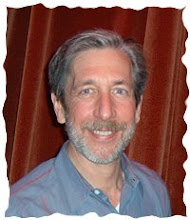
Arthur Becker-Weidman, Ph.D., Center for Family Development
Emily Becker-Weidman, PhD, Child Study Center, New York University
To register, please complete the attached registration form and send to Maribel Cruz
(p) 212-660-1318
(f) 212-660-1319
Email: MaribelC@nyfoundling.org
Vincent J. Fontana Center for Child Protection
27 Christopher Street, New York, NY 10014
The New York State
Chapter of American
Professional Society on the Abuse of Children
Presents
The 2011/2012
Child Abuse
Workshop Series
Co-Sponsored by
The New York Foundling
Vincent J. Fontana Center for Child Protection
Villano Conference Center
27 Christopher Street
New York, New York 10014
www.nyfoundling.org/fontana-center
Workshops
1. Preventing Foster Home Disruption: A Programmatic Approach
This workshop is for mental health clinicians, case planners, supervisors and administrators working in the child welfare system. The workshop will identify the risk factors that contribute to foster home disruption and describe clinical and social service interventions designed to
stabilize the foster home and prevent disruption of the foster home.
Date/Time: October 24, 2011 10:00am to 11:30am
Workshop Leader: Mel Schneiderman, Ph.D
Director of Mental Health Services
New York Foundling
Co-founder Vincent J. Fontana Center for Child Protection
2. Forensically Defensible Child Sexual Abuse Evaluations
This workshop, presented by a defense attorney, will focus on issues which arise in the context of child sexual abuse litigation including Parental Alienation “Syndrome,” the suggestibility of children, allegations of child sexual abuse in the context of divorce/custody proceedings, proper forensic interviewing, the professional ethics of mental health professionals maintaining proper records, and other issues.
Date/Time: December 5, 2011 10:00am to 12pm
Workshop Leader: Lawrence Jay Braunstein Esq.
Partner in the Firm of Braunstein & Zuckerman, Esq.
3. Common Myths and Clinical Realities of Child Maltreatment
Child abuse is the physical, sexual, emotional mistreatment or neglect of children. This
workshop will provide a multi-disciplinary forum to explore commonly held beliefs that can
often derail the process of obtaining the best outcomes for a child who has experienced any of these forms of child abuse. Through case-based discussion interspersed with brief didactics we will explore common myths as they relate to each of the forms of child maltreatment while
integrating findings from the literature in the field.
Date/Time: February 3, 2012 10am to 12pm
Workshop Leader: Ingrid Walker-Descartes, MD, MPH, FAAP
Maimonides Infants and Children’s Hospital of Brooklyn Child Abuse Pediatrician
Attending - Pediatric Ambulatory Division
Program Director - Pediatric Residency Training Program
4. Evidence-Based Mental Health Interventions for Child Abuse
This workshop will describe the current state of evidence-based mental health interventions for childhood abuse. Childhood models of PTSD and other sequelae will be described briefly. Em-pirically supported treatment for child sexual abuse, physical abuse and emotional/psychological abuse will be reviewed. Critical issues in treating youth will be described and finally national and state dissemination efforts will be noted, with focus on how New York State can adopt best prac-tices for the treatment of abused children.
Date/Time: April 2, 2012 10am to 11:30am
Workshop Leader: Komal Sharma-Patel, PhD
Assistant Director of Research
PARTNERS Program
St. John’s University
5. Integrating Prevention into Your Practice: American Professional Society on the Abuse of Children Prevention Guidelines
While much of professional practice has the objective of preventing further maltreatment, it is often difficult to understand how to best incorporate prevention activities into our work. This workshop will be hosted by a member of the American Professional Society on the Abuse of Children Board Prevention Task Force who will review current evidence and best practices in the child maltreatment field and discuss guidelines to assist professionals in integrating preven-tion into their work.
Date/Time: May 1, 2012 10am to 11:30am
Workshop Leader: Vincent J. Palusci, MD MS
Professor of Pediatrics at NYU School of Medicine
Child Abuse Pediatrician at the Frances L. Loeb Child
Protection and Developmental Center at Bellevue Hospital
6. Assessing Complex Trauma
This workshop will describe a three session model for the assessment of Complex Trauma (aka Developmental Trauma Disorder). A brief description of what is Complex Trauma and its effects on child development and the importance of parenting will be followed by a presentation of the assessment protocol. This assessment protocol is multi-modal and uses data from records, care-givers, various psychometric instruments. Screening of the various domains of possible impair-ment is an essential element of this protocol.
This workshop will only be available through Webinar
Date and Time to be announced
Workshop Leaders: Arthur Becker-Weidman, Ph.D.
Center for Family Development
Emily Becker-Weidman, PhD
Child Study Center, New York University
The New York State Chapter of
American Professional Society on the
Abuse of Children
The New York State Chapter of the American Professional Society on the Abuse of Children provides an opportunity for professionals in New York State to meet, share ideas and experiences, develop strategies for improving
professional services to clients, influence public policy and educate the public, other professionals, and policy makers about child maltreatment.
The New York Foundling
Vincent J. Fontana Center
for Child Protection
The Fontana Center supports the mission and values of The New York Foundling by serving as the advocacy,
public policy, research, professional and community
education arm of the agency.
The Center’s mission is to eliminate child maltreatment through the identification and promotion of evidence based primary prevention and treatment strategies. To achieve this objective, The Fontana Center engages in
research, professional training, community education and advocacy.
Registration Form
Please, indicate which workshop you would like to register for below.
1._____Preventing Foster Home Disruption: A Programmatic Approach
(October 24, 2011 10:00am to 11:30am)
2. Forensically Defensible Child Sexual Abuse Evaluations
(December 5, 2011 10:00am to 12pm)
3._____Common Myths and Clinical Realities of Child Maltreatment
(February 3, 2012 10am to 12pm)
4._____Evidence-Based Mental Health Interventions for Child Abuse
(April 2, 2012 10am to 11:30am)
5. Integrating Prevention into Your Practice: APSAC Prevention Guidelines (May 1, 2012 10am to 11:30am)
6._____Assessing Complex Trauma: Webinar Only
(Date: TBA)
There is no fee for New York State APSAC members or for NY Foundling staff.
There is a $10.00 fee for all non NYS APSAC members.
Please make check payable to:
Vincent J. Fontana Center for Child Protection
All workshops will be held at the Vincent J. Fontana Center for Child Protection
at 27 Christopher Street in Manhattan.
Subway stops: West 4th (A,C, E, F, B, D, M trains) or Christopher Street (1 train)
Send check and registration form to Maribel Cruz at:
maribelc@nyfoundling.org
Vincent J. Fontana Center for Child Protection
27 Christopher Street, New York, NY 10014
Phone: 212-660-1318
Showing posts with label Complex Trauma. Show all posts
Showing posts with label Complex Trauma. Show all posts
Feb 13, 2012


Feb 10, 2012
Spanking lowers IQ scores
A comprehensive study of the literature in the Canadian Medical Journal finds that spanking children results in poor outcomes: lower IQ scores.
The arguments against spanking and corporal punishment are even stronger when considering its re-traumatizing effects on children who have experienced complex trauma.
The arguments against spanking and corporal punishment are even stronger when considering its re-traumatizing effects on children who have experienced complex trauma.
Nov 17, 2011
Training in Complex Trauma for Value Behavioral Health Providers
I'm in Pittsburgh now, November 17, 2011. I'll be doing a presentation for Value Behavioral Health about evaluating and treatment Complex Trauma tomorrow. VBH manages the Medicaid contract for the State of PA for Western PA, so there will be about 350 providers at the training.
Oct 23, 2011
New Book on the Practice of Attachment-Focused Therapy
Dr. Becker-Weidman is one of the editors of a new book to be published early in 2012 on the professional practice of attachment-focused therapy. The two other editors are Lois Ehrmann and Denise LeBow. The book will serve as a practice manual defining standards of care. The book will be a valuable resource for social workers, psychologists, mental health practitioners, departments of social services, child welfare organizations, judges, and attorneys. The book's table of contents will be:
Chapter 1: Terminology and Diagnosis
Chapter 2: Purposes and Scope of Guide
Chapter 3: Overview of Attachment Theory: Synopsis of Key Concepts
CHAPTER 4: Overview of Attachment-Focused Therapy
CHAPTER 5: Core Concepts of Trauma and Trauma Focused Therapy
CHAPTER 6: Intake, Screening, & Referral
CHAPTER 7: Assessment of Children With Attachment Issues
CHAPTER 8: Treatment Planning
CHAPTER 9: Considerations in Behavior Management
CHAPTER 10: Training, Consultation, and Competency
CHAPTER 11: Ethical Considerations in Attachment Focused Therapy
CHAPTER 12: Vicarious Trauma and the Clinician’s Responsibility for Self Care
References
Glossary
Appendix A: Paper on Coercion in Treatment
Appendix B: Screening and Assessment Tools
Appendix C: Out-of Home Placements
Appendix D: Study Guide
Sep 25, 2011
Dr. Becker-Weidman to present two days in Northern California
Dr. Becker-Weidman will be presenting a workshop, "Healing Trauma and Attachment Disorders" at two locations in Northern California Oct 14 & 15.
Dr. Becker-Weidman in Saratoga Springs
Dr. Becker-Weidman will be presenting a community workshop, "Complex Trauma: A Community Approach"- Implications for Treatment, Parenting, Child Welfare, Family Court and Education"
in Saratoga Springs on October 20, 2011.
in Saratoga Springs on October 20, 2011.
Dr. Becker-Weidman @ Justice For Children in Syracuse
Dr. Becker-Weidman will be presenting at the 2011 Building Justice for Children Conference in Syracuse October 25-27. He will be talking about Assessing Children's mental health and trauma issues.
Sep 20, 2011
A cool website for 3D images of the Brain
I found this cool website and thought you'd be interested in it.
3D Brain images
http://www.g2conline.org/2022
3D Brain images
http://www.g2conline.org/2022
Sep 9, 2011
Complex Trauma: A community Approach
Dr. Becker-Weidman will be presenting two day-long workshops in California:
Arthur Becker -Weidman, Ph.D.
Friday, October 14, 2011
9:00 AM—4:00 PM
Chi co Masonic Fami ly Cente r
1110 W. East Avenue , Chi co CA
Please RSVP to (530) 879-3861 or ldamschroder@sierraff.org
This FREE training is made available through the collaborative efforts of
Sierra Forever Families & California Department of Social Services
Childcare Reimbursement Available call Leslie 879-3861 for more information
Arthur Becker-Weidman, Ph.D. is a Diplomat in Child Psychology and Forensic Psychology, the American Board of Psychological Specialties. He is a Registered Clinician with the Association for the Treatment and Training in the Attachment of Children and is a Certified Therapist, Consultant, and Trainer of Dyadic Developmental treatment®. Dr.
Becker-Weidman has edited and authored four books: Creating Capacity for Attachment (2005/2008), Attachment Parenting (2010), Dyadic Developmental Psychotherapy: Essential Practices & Methods (2010), and The Dyadic Developmental Psychotherapy Casebook (2011). He has four DVD's. Dr. Becker-Weidman is on the Board of Directors of the Association for the Treatment and Training in the Attachment of Children where he serves on several committees. Dr. Becker-Weidman provides training and workshops to parents, professionals, and governments across the U.S. and internationally.
These learning objectives will be addressed:
Participants will be able to describe how parent-child attachment normally develops
Participants will identify the seven domains of impairment caused by Complex Trauma
Participants will be able to identify three general principles of parenting & treatment grounded in attachment-theory & Dyadic Developmental Psychotherapy
Participants will be able to use two new interventions to help parents with children with trauma and attachment disorders
Participants will be able to describe one key element of Dyadic Developmental Psychotherapy and be able to use it in their practice
Parents will be be able to describe the fundamental principles of attachment-facilitating parenting.
Parents will be able to implement at least two attachment facilitating interventions
Course meets qualifications for 6 hours continuing
education credit for MFT’s & LCSW’s as required by the Board of Behavioral Sciences
Complex Trauma: A community Approach
Dr. Becker-Weidman will be presenting an all day workshop on October 20, 2011 in Saratoga Springs.
“Complex Trauma: A Community Approach”- Implications for Treatment, Parenting, Child Welfare, Family Court and Education.”
With Dr. Arthur Becker-Weidman
October 20, 2011
8:30- 5 pm.
8:00am Registration
Knights of Columbus Hall
50 Pine Road
Saratoga Springs, New York
CONFERENCE FEE
PROFESSIONALS: $95.00
All purchase orders add $15.00
PARENTS & GUARDIANS: $25.00
Due to Co-Sponsorship by the Theraplay Institute 6 CEUs are available for psychologists and play therapists
Coffee & Lunch Included
MAKE YOUR CHECK PAYABLE TO:
CCMH YOUTH CONFERENCE
MAIL TO:
Tammy Horan
Saratoga County Mental Health Center
211 Church Street
Saratoga Springs, NY 12866
518-584-9030
e-mail: ythserv@yahoo.com
Name:___________________________
Agency:__________________________
Address:_________________________
________________________________
Phone:___________________________
E-Mail:__________________________
Children in the Child Welfare system have often experienced Complex Trauma and require specialized treatment, parenting and educational approaches. For over twenty-five years Dr. Becker Weidman has specialized in the treatment of families with children who have complex trauma and disorders of attachment and on training therapists, parents, children welfare workers, educators and courts
Dr. Becker- Weidman will describe Complex Trauma and Dyadic Developmental Psychotherapy (DDP), which is an evidence-based, effective, and empirically validated treatment, and how these approaches and concepts can integrate the community response system. Dr. Becker-Weidman will explain the effects of complex trauma on child development as well as factors affecting placement stability. The ways that teachers, child welfare professionals, parents, and therapists respond are often the key to lessening the ill effects of trauma. The community system of care must embody the principles of safety, security, support, acceptance, curiosity so that the child and family can heal. Through the use of presentations and tapes of actual sessions, Dr. Becker-Weidman will explain his approach.
Children in the Child Welfare system have often experienced Complex trauma and require specialized treatment, parenting and educational approaches. For over twenty-five years Dr. Becker Weidman has specialized in the treatment of families with children who have complex trauma and disorders of attachment and on training therapists, parents, children welfare workers, educators and courts. The material presented by Dr. Becker-Weidman will build on the presentation of Dr. Daniel Hughes her in 2009. Dr. Becker-Weidman and Dr. Hughes are close colleagues, haven written articles together and collaborate as trainers and Board members of the Dyadic Developmental Psychotherapy Institute.
Dr. Becker- Weidman will describe Complex Trauma and dyadic Developmental Psychotherapy, which is an evidence-based, effective, and empirically validated treatment,how these approaches and concepts can integrate the systems of care that are involved with foster and adoptive families and their children, as well as will children with histories of abuse and neglect and attachment disorganization. Dr. Becker-Weidman will explain what Complex Trauma is, its effects on child development, factors affecting placement stability and the implications of this for teachers, child welfare professionals, parents, and therapists. The framework for this presentation will be Dyadic Developmental Psychotherapy, an approach grounded in Attachment Theory. Dr. Becker-Weidman’s approach within all systems of care is to provide safety, security and the necessary support so that the positive and emotionally meaningful relationships can develop. He actively communicates acceptance, curiosity and empathy. The system of care must embody these principles so that the child and family can heal. Through the use of presentations and tapes of actual sessions, Dr. Becker-Weidman will explain his approach.
About the Presenter
Dr. Arthur Becker-Weidman has been training professionals, evaluating and treating families and children with trauma-attachment disorders for over thirty years. He has a PhD from the University of Maryland’s Institute for Child Study and is a Diplomat of the American Board of Psychological Specialties in Child Psychology and Forensic Psychology. He is recognized as an expert witness and frequently provides testimony in court proceedings.
Art lives in Williamsville, NY with his family and is the Director of The Center for Family Development, an internationally recognized training and treatment center. He is the author of four books: Creating Capacity for Attachment (2005/2008), Attachment Facilitating Parenting (2010), Dyadic Developmental Psychotherapy Casebook (2011). He is the author of many articles in professional peer-reviewed journals and empirical studies. He has published research demonstrating the efficacy and evidence-base of DDP. Dr. Becker-Weidman provides training and consultation to therapists, psychologists, social workers, and parents throughout the US, Australia, Canada, Finland, Singapore, Slovakia and the Czech Republic.
Who Should Attend?
This program is designed for anyone who would like to know how to work together across disciplines with children and families who have suffered from the effects of Complex Trauma. The conference is directed toward child-centered professionals and community systems that work to help to lessen those effects. This training will provide a perceptual framework to understand what these children and families need as well as readily implementable ideas that can be used at home, school, community, as well as in therapeutic, child welfare, and family court offices.
• Psychologists and Psychiatrists
• Social Workers/Therapists
• Family Therapists
• Play Therapists
• Parents and Caretakers
• Residential Counselors
• Teachers/School Professionals
• Adoption/Post-adoption Caseworkers
• Child Welfare Workers
• Family Court Judges
• Early Childhood Development Specialists
• Teachers/School Professionals
• Adoption/Post-adoption Caseworkers
• Child Welfare Workers
• Family Court Judges
• Early Childhood Development Specialists
Program Schedule
Introduction/Overview of Day-8:30-8:45
Complex Trauma………………..8:45-11:00
1) What is Complex Trauma?
2) 7 Domains of Impairment
3) Effects on Child Development and Behavior
4) DVD: A child’s View
BREAK……………………………..10:30-10:45
Factors affecting placement stability & Breakdown………………………11:00-11:30
Principles of effective interventions-11:30-12:00
LUNCH……………………………..12:00-1:00
Implications for Parents, Teachers, Clinicians, Child Welfare and Family Court …………………..…………………..1:00-5:00
Teachers……………………… ….1:00-2:00
Class and School Practices
Child Welfare and Family Court-2:00-3:00
Placement Policies/Court Issues
Foster Parent Selection & Training
BREAK………………………………..3:00-3:15
Treatment……………………………3:15-4:00
Elements of treatment Parenting
…………….………………………….4:00-5:00
Attachment Facilitating Parenting
FOR FURTHER INFORMATION CONTACT:
Tammy Horan
518-584-9030
conferenceythserv@yahoo.com
DIRECTIONS:
From I-87 take Exit 13N, merge onto US-9
toward Saratoga Springs
4.4m turn left onto Washington St. /NY 29
(Corner with Starbucks)
1.5 m turn left onto Pine Rd
Left into Parking Lot.
50 Pine Rd.
Knights of Columbus Hall
Sep 8, 2011
Healing Trauma & Attachment Disorders Workshop
Dr. Becker-Weidman will be presenting two day-long workshops in California:
Arthur Becker -Weidman, Ph.D.
Friday, October 14, 2011
9:00 AM—4:00 PM
Chi co Masonic Fami ly Cente r
1110 W. East Avenue , Chi co CA
Please RSVP to (530) 879-3861 or ldamschroder@sierraff.org
This FREE training is made available through the collaborative efforts of
Sierra Forever Families & California Department of Social Services
Childcare Reimbursement Available call Leslie 879-3861 for more information
Arthur Becker-Weidman, Ph.D. is a Diplomat in Child Psychology and Forensic Psychology, the American Board of Psychological Specialties. He is a Registered Clinician with the Association for the Treatment and Training in the Attachment of Children and is a Certified Therapist, Consultant, and Trainer of Dyadic Developmental treatment®. Dr.
Becker-Weidman has edited and authored four books: Creating Capacity for Attachment (2005/2008), Attachment Parenting (2010), Dyadic Developmental Psychotherapy: Essential Practices & Methods (2010), and The Dyadic Developmental Psychotherapy Casebook (2011). He has four DVD's. Dr. Becker-Weidman is on the Board of Directors of the Association for the Treatment and Training in the Attachment of Children where he serves on several committees. Dr. Becker-Weidman provides training and workshops to parents, professionals, and governments across the U.S. and internationally.
These learning objectives will be addressed:
Participants will be able to describe how parent-child attachment normally develops
Participants will identify the seven domains of impairment caused by Complex Trauma
Participants will be able to identify three general principles of parenting & treatment grounded in attachment-theory & Dyadic Developmental Psychotherapy
Participants will be able to use two new interventions to help parents with children with trauma and attachment disorders
Participants will be able to describe one key element of Dyadic Developmental Psychotherapy and be able to use it in their practice
Parents will be be able to describe the fundamental principles of attachment-facilitating parenting.
Parents will be able to implement at least two attachment facilitating interventions
Course meets qualifications for 6 hours continuing
education credit for MFT’s & LCSW’s as required by the Board of Behavioral Sciences
Arthur Becker -Weidman, Ph.D.
Friday, October 14, 2011
9:00 AM—4:00 PM
Chi co Masonic Fami ly Cente r
1110 W. East Avenue , Chi co CA
Please RSVP to (530) 879-3861 or ldamschroder@sierraff.org
This FREE training is made available through the collaborative efforts of
Sierra Forever Families & California Department of Social Services
Childcare Reimbursement Available call Leslie 879-3861 for more information
Arthur Becker-Weidman, Ph.D. is a Diplomat in Child Psychology and Forensic Psychology, the American Board of Psychological Specialties. He is a Registered Clinician with the Association for the Treatment and Training in the Attachment of Children and is a Certified Therapist, Consultant, and Trainer of Dyadic Developmental treatment®. Dr.
Becker-Weidman has edited and authored four books: Creating Capacity for Attachment (2005/2008), Attachment Parenting (2010), Dyadic Developmental Psychotherapy: Essential Practices & Methods (2010), and The Dyadic Developmental Psychotherapy Casebook (2011). He has four DVD's. Dr. Becker-Weidman is on the Board of Directors of the Association for the Treatment and Training in the Attachment of Children where he serves on several committees. Dr. Becker-Weidman provides training and workshops to parents, professionals, and governments across the U.S. and internationally.
These learning objectives will be addressed:
Participants will be able to describe how parent-child attachment normally develops
Participants will identify the seven domains of impairment caused by Complex Trauma
Participants will be able to identify three general principles of parenting & treatment grounded in attachment-theory & Dyadic Developmental Psychotherapy
Participants will be able to use two new interventions to help parents with children with trauma and attachment disorders
Participants will be able to describe one key element of Dyadic Developmental Psychotherapy and be able to use it in their practice
Parents will be be able to describe the fundamental principles of attachment-facilitating parenting.
Parents will be able to implement at least two attachment facilitating interventions
Course meets qualifications for 6 hours continuing
education credit for MFT’s & LCSW’s as required by the Board of Behavioral Sciences
Justice for Children Conference
Dr. Becker-Weidman will be presenting a workshop at the Building Justice For Children 2011 Conference to be held in Syracuse NY on October 25-27, 2011. His workshop will be about Assessing Children for Trauma.
For more information, go to
http://www.center4familydevelop.com/workshops.htm
For more information, go to
http://www.center4familydevelop.com/workshops.htm
Jul 14, 2011
Dyadic Developmental Psychotherapy: Video on Attachment Focused Therapy
The Association for the Treatment and Training in the Attachment of Children has a wonderful new video about Attachment Focused Therapy. You can view it here. This video is a must see for parents and professionals. It describes the latest information on evidence-based, effective, and empirically validated treatments for Complex Trauma, Reactive Attachment Disorder, and other disorders of attachment. The speakers and presenters are internationally recognized experts in the evaluation and treatment of these conditions.
See the video here.
See the video here.
Jun 9, 2011
Dyadic Developmental Psychotherapy Identified as an Effective Treatment by UK Institute
IN an exciting development, the Institute for Research and Innovation in Social Services, recognizes Dyadic Developmental Psychotherapy as an evidence-based, effective, and empirically validated treatment. The Institute is a large, internationally regarded institute whose function is to promote positive outcomes in the social service field by identifying evidence informed practice and disseminating research, innovations, and improvements in social services policy, practice, and programming.
The Institutes most recent report, "Insights: Attachment-Informed practice with looked after children and young people, had the following key points:
Attachment behaviour ensures the survival of infants and young children by keeping their caregivers close and available to provide protection and comfort. The attachment relationship provides the context for the main developmental tasks of infancy and early childhood, particularly emotional regulation and the development of the capacity to ‘mentalise’.
The characteristics of caregivers affect the organisation and security of children’s attachment relationships with them. Sensitive, responsive parenting and parental ability to reflect on the infant’s own thoughts and feelings are associated with secure attachments in children.
Children who have experienced maltreatment are significantly more likely to develop disorganised
attachments and these can have lifelong physical, emotional and social consequences.
Recent evidence from neuroscience confirms the importance of the early emotional and social experience of
infants for the healthy development of their brains. Maltreatment can disturb the patterns of cortisol
(stress hormone) secretion which can affect immediate and long term mental and physical health.
Looked after children benefit from developing secure attachments with their caregivers and interventions
should support the development of these, whether children remain at home or are cared for outside their family.
Successful placements are more likely when carers are able to respond to children at their emotional age
rather than their chronological one. Interventions with children should aim to address developmental brain
impairment by providing care that can build fundamental brain capacities. For looked after children this will mean less use of verbal techniques and a greater concentration on physical, sensory and emotional ways of working.
Caregivers should be assessed on their capacity to tolerate difficult behaviour and remain sensitive and
responsive to the needs of children.
Support and training should be provided to caregivers on a frequent and regular basis to ensure that they are able to maintain their capacity to be reflective about children rather than reactive to their behaviour.
Attachment-informed practice may require a policy and culture shift to ensure that children’s needs
are appropriately met when they are cared for away from home.
As you can see their key point that carers should respond to children based on their emotional age rather than their chronological age is supported by our study revealing that children with Complex Trauma and disorders of attachment are substantially younger developmentally than their chronological age:
Becker-Weidman, A., (2009) “Effects of Early Maltreatment on Development: A Descriptive study using the Vineland,” Child Welfare, 88 (2)137-161.
The Institue's paper goes on to state it's support for Dyadic Developmental Psychotherapy as an evidence-informed and validated treatment approach:
Dyadic Developmental Psychotherapy is an attachment-focused approach in which a therapist supports the caregiver and child’s relationship and the development of secure attachment by encouraging the reflective function of the caregiver, enabling attunement, regulating emotion and co creating meaning. The therapist
interactions are characterised by PACE (playfulness, acceptance, curiosity and empathy) and similar qualities are supported in the caregiver with the addition of love (PLACE). This approach has been well evaluated with foster carers and adoptive parents and recently elements of this model have been successfully introduced within residential child care (Becker-Weidman and Hughes, 2008).
Becker-Weidman, A., & Hughes, D., (2008) “Dyadic Developmental Psychotherapy: An evidence-based treatment for children with complex trauma and disorders of attachment,” Child & Adolescent Social Work, 13, pp.329-337
Apr 15, 2011
Dyadic Developmental Psychotherapy Training in 2012
ABOUT THE WORKSHOP
The workshop covers all the "Required Core Training Content" necessary to enter the practicum to become a Certified Dyadic Developmental Psychotherapy therapist. The use of SKYPE, independent study, and consultations will allow remote participants to fulfill the requirements to become Certified Dyadic Developmental Psychotherapy therapists.
The workshop uses a combination of SKYPE sessions, group discussion, independent study, and case presentations. Attachment-focused family therapy workbook, is the course text.
Early deprivation, neglect, abuse, significant early health problems and hospitalizations, repeated moves, or more than one year in an orphanage can create attachment problems that require specialized treatment. Traditional forms of therapy are ineffective with attachment-disordered children. This workshop will provide the therapist and other professionals with an opportunity to learn and practice effective treatment methods for trauma-attachment disordered children.
Participants are encouraged to present videotapes of sessions.
Dyadic Developmental Psychotherapy is an evidence-based, effective, and empirically validated treatment that is grounded in current thinking and research on the etiology and treatment of Complex Trauma or Developmental Trauma Disorder and disorders of attachment. Treatment is primarily experiential and there is an important teaching element as well. Teaching parents about attachment-facilitating parenting methods and the importance of attunement and responsive, sensitive parenting is essential. Direct work with the parents regarding their own family or origin issues is another component of treatment. Finally, intensive emotional work with the child in a manner consistent with sound treatment principles is vital.
The workshop is led by Dr. Arthur Becker-Weidman, who is a certified Dyadic Developmental Psychotherapist, Certified Consultant, and Certified Trainer by the Dyadic Developmental Psychotherapy Institute.
CENTER FOR FAMILY DEVELOPMENT
The Center For Family Development is an internationally recognized treatment and training center specializing in helping adopted and foster families with trauma and attachment disordered children. The Center is a registered agency with the Association for Treatment and Training in the Attachment of Children.
Arthur Becker-Weidman, CSW-R Ph.D. received his doctorate in Human Development from the University of Maryland, Institute for Child Study. He achieved Diplomate status from the American Board of Psychological Specialties in Child Psychology and Forensic Psychology. He is a Vice-President, clinical, with the Association for the Treatment and Training in the Attachment of Children and President of the Dyadic Developmental Psychotherapy Institute. Art is an adjunct Clinical Professor at SUNY at Buffalo. He has published over a dozen scholarly papers and regularly presents at international and national conferences. Art consults with psychologists, social workers, marriage and family therapists and several child treatment agencies, school districts, departments of social services, and governments in the United States, Canada, Finland, Czech Republic, Slovakia, Singapore, & Australia.
EVIDENCE-BASIS FOR TREATMENT
* Becker-Weidman, A., (2006) “Treatment for Children with Trauma-Attachment Disorders: Dyadic Developmental Psychotherapy,” Child and Adolescent Social Work Journal. Vol. 23(2), 147-171.
* Becker-Weidman, A., (2006) “Dyadic Developmental Psychotherapy: A multi-year Follow-up,” in, New Developments In Child Abuse Research, Stanley M. Sturt, Ph.D. (Ed.) Nova Science Publishers, NY, pp. 43 – 61.
* Becker-Weidman, A., (2007). “Treatment For Children with Reactive Attachment Disorder: Dyadic Developmental Psychotherapy,” http://www.center4familydevelop.com/research.pdf
* Becker-Weidman, A., & Hughes, D., (2008) “Dyadic Developmental Psychotherapy: An evidence-based treatment for children with complex trauma and disorders of attachment,” Child & Adolescent Social Work, 13, pp.329-337.
* Craven, P., & Lee, R., (2006) Therapeutic Interventions for Foster Children: A Systematic Research Synthesis, Research on Social Work Practice, 16(3):287-304.
TRAINING OUTLINE
2012
Center For Family Development
5820 Main Street, suite 406
Williamsville, NY 14221
SCHEDULE
A Six-month 56-hour Master Class.
10:00 am– 5:00 pm, 1/20/12, 2/17, 3.16, 4/20, 5/18, 6/21. Dates subject to change based on participant requests, 2012 holidays, and group agreement. Limited to eight.
OUTLINE
* Patterns of attachment
* Engaging and working with parents
* Intersubjectivity & use of self in practice
* Experiential components of training
* Components of Practice
* Phases of Treatment
* Differential use of components of
* Practice in different phases of
treatment
* Treatment with different populations and
circumstances
* Experiential components of training
* Consultation
Dyadic Developmental Psychotherapy is an evidence-based, effective, and empirically validated treatment. Two follow-up studies with control groups found clinically and statistically significant reductions in symptoms of attachment disorder, aggression, anti-social behavior, thought disorders, attention problems, mood, and social relationship dysfunction. Over 80% of the children treated had previously been in treatment on three or more occasions, without any noticeable improvement. Treatment averaged 23 sessions over approximately ten months. (Arthur Becker-Weidman, Ph.D., Child & Adolescent Social Work, vol. 23, pp.137-171, 2006)
SUGGESTED READING
You will find the following list of books helpful. It is strongly recommended that you read the first book before the workshop begins. This will ensure that everyone has a solid foundation of common knowledge.
1. Dyadic Developmental Psychotherapy: Essential Methods & Practices, Arthur Becker-Weidman, Ph.D., Rowman, Lanham, MD, 2010.
2. The Dyadic Developmental Psychotherapy Casebook, Arthur Becker-Weidman, Rowman: Lanham, MD, 2011.
3. Creating Capacity for Attachment, Eds., Arthur Becker-Weidman, Ph.D., Deborah Shell, MA, LCMHC, Wood ‘N’ Barnes, 2005/2008.
4. Attachment Parenting, Ed., Arthur Becker-Weidman & Deborah Shell, Rowman: Lanham, MD, 2010.
5. Attachment-Focused Family Therapy. Daniel Hughes, Norton, 2007.
6. Attachment-Focused Family Therapy Workbook, D. Hughes, Norton: NY, 2011.
7. Handbook of Attachment: Theory, Research, and Clinical Applications. Edited by Jude Cassidy and Phillip Shaver. The Guilford Press, 2008.
8. Building the Bonds of Attachment. 2nd. Ed. Daniel Hughes, Ph.D., 2006
9. Attachment Across the Life Cycle. Edited by Colin Murray Parkes, Joan Stevenson-Hinde, and Peter Marris. Routledge, 1991.
10. A Secure Base. John Bowlby, Basic Books, NY, 1988.
11. John Bowlby & Attachment Theory. Jeremy Holmes, Routledge, NY, 1993.
PURPOSE OF WORKSHOP
This workshop is for therapists who want to learn how to treat trauma-attachment disordered children. Participants will learn effective therapy principals for helping traumatized children. Participants will learn:
1. Initial work to determine parent readiness.
2. The components of Dyadic Developmental Psychotherapy and the phases of treatment.
3. The differential use of components in different phases of treatment.
4. Effective therapeutic techniques to use with traumatized and attachment disordered children and their families.
5. Effective parenting principals.
Participants will have the opportunity to view videotapes of actual therapy sessions with traumatized children that demonstrate therapeutic principals and present their own video tapes or cases.
Mar 27, 2011
Theory of Mind and Attachment
Theory of Mind (ToM) can be defined as the ability to work out what other people are thinking and how this might affect their behavior. In most children ToM shows a significant advance between the ages of three and five. However, the development of ToM is severely delayed in children with autism. In addition, children who have experienced significant trauma and have disorders of attachment also show limited ToM. Several studies have shown that having brothers and sisters can improve children's ToM and researchers from the University of Queensland in Australia studied sixty children with autism to see if this was the case for them too. The researchers measured the children's ToM, executive functioning, verbal mental age and autism symptoms and compared this to the number of siblings the children had and where they fitted into the sequence. The researchers found that the children with older siblings actually had a weaker ToM, perhaps because their older brothers and sisters helped them to interpret other people's actions and stopped them from developing their own skills. Having younger siblings led to a weak improvement in ToM but this was not significant once mental age and autism symptoms were taken into account.
O'Brien, Karen, Slaughter, Virginia and Peterson, Candida C. - Sibling influences on theory of mind
development for children with ASD Journal of Child Psychology and Psychiatry
doi:10.1111/j.1469-7610.2011.02389.x
O'Brien, Karen, Slaughter, Virginia and Peterson, Candida C. - Sibling influences on theory of mind
development for children with ASD Journal of Child Psychology and Psychiatry
doi:10.1111/j.1469-7610.2011.02389.x
Mar 20, 2011
Becoming a Certified DDP therapist
The workshop covers all the "Required Core Training Content" necessary to enter the practicum to become a Certified Dyadic Developmental Psychotherapy therapist. The use of SKYPE will allow remote participants to fulfill the requirements to become Certified Dyadic Developmental Psychotherapy therapists. Participants may register for the full 56 hours or for Part A or Part B alone.
The workshop uses a combination of SKYPE workshop sessions, group discussion, independent study, and case presentations.
Dyadic Developmental Psychotherapy is an evidence-based, effective, and empirically validated treatment that is grounded in current thinking and research on the etiology and treatment of Complex Trauma or Developmental Trauma Disorder and disorders of attachment. Treatment is primarily experiential and there is an important teaching element as well. Teaching parents about attachment-facilitating parenting methods and the importance of attunement and responsive, sensitive parenting is essential. Direct work with the parents regarding their own family or origin issues is another component of treatment. Finally, intensive emotional work with the child in a manner consistent with sound treatment principles is vital.
The workshop is led by Dr. Arthur Becker-Weidman, who is a certified Dyadic Developmental Psychotherapist, Certified Consultant, and Certified Trainer by the Dyadic Developmental Psychotherapy Institute.
SCHEDULE
Starting dates and SKYPE sessions scheduled based on your availability and convenience. Assignments independent study occur at your pace.
A. 28 hour First half
* Patterns of attachment
* Engaging and working with parents
* Intersubjectivity & use of self in practice
* Experiential components of training
* Components of Practice
* Phases of Treatment
B. 28 hour Second half
* Differential use of components of
* Practice in different phases of
treatment
* Treatment with different populations and
circumstances
* Experiential components of training
* Consultation
Sections A & B cover all the required core training content for training to meet the DDPI requirements to apply for the Practicum to become a certified DDP therapist. Therapists may make application after completing section A.
Dyadic Developmental Psychotherapy is an evidence-based, effective, and empirically validated treatment. Two follow-up studies with control groups found clinically and statistically significant reductions in symptoms of attachment disorder, aggression, anti-social behavior, thought disorders, attention problems, mood, and social relationship dysfunction. Over 80% of the children treated had previously been in treatment on three or more occasions, without any noticeable improvement. Treatment averaged 23 sessions over approximately ten months. (Arthur Becker-Weidman, Ph.D., Child & Adolescent Social Work, vol. 23, pp.137-171, 2006)
SUGGESTED READING
You will find the following list of books helpful. It is strongly recommended that you read the first two books before the workshop begins. This will ensure that everyone has a solid foundation of common knowledge.
1. Dyadic Developmental Psychotherapy: Essential Methods & Practices, Arthur Becker-Weidman, Ph.D., Rowman, Lanham, MD, 2010.
2. The Dyadic Developmental Psychotherapy Casebook, Arthur Becker-Weidman, Rowman: Lanham, MD, 2011.
3. Creating Capacity for Attachment, Eds., Arthur Becker-Weidman, Ph.D., Deborah Shell, MA, LCMHC, Wood ‘N’ Barnes, 2005/2008.
4. Attachment Parenting, Ed., Arthur Becker-Weidman & Deborah Shell, Rowman: Lanham, MD, 2010.
5. Attachment-Focused Family Therapy. Daniel Hughes, Norton, 2007.
6. Attachment-Focused Family Therapy Workbook, Norton: NY, 2011.
7. Handbook of Attachment: Theory, Research, and Clinical Applications. Edited by Jude Cassidy and Phillip Shaver. The Guilford Press, 2008.
8. Building the Bonds of Attachment. 2nd. Ed. Daniel Hughes, Ph.D., 2006
9. Attachment Across the Life Cycle. Edited by Colin Murray Parkes, Joan Stevenson-Hinde, and Peter Marris. Routledge, 1991.
10. A Secure Base. John Bowlby, Basic Books, NY, 1988.
11. John Bowlby & Attachment Theory. Jeremy Holmes, Routledge, NY, 1993.
PURPOSE OF WORKSHOP
This workshop is for therapists who want to learn how to treat trauma-attachment disordered children. Participants will learn effective therapy principals for helping traumatized children. Participants will learn:
1. Initial work to determine parent readiness.
2. The components of Dyadic Developmental Psychotherapy and the phases of treatment.
3. The differential use of components in different phases of treatment.
4. Effective therapeutic techniques to use with traumatized and attachment disordered children and their families.
5. Effective parenting principals.
Participants will have the opportunity to view videotapes of actual therapy sessions with traumatized children that demonstrate therapeutic principals and present their own video tapes or cases.
REGISTRATION
NAME:
ADDRESS:
Degree:
DAY PHONE #: ( )
E-MAIL:
AGENCY NAME (if applicable):
A.: B.: BOTH:______
Fee is $500 (US$) for Sections A or B and $950 for both. A refund, minus a $95 administrative fee, will be given for cancellations. No refunds will be issued beginning course. A $150 deposit is required and full payment is due by the time you being.
$500 or $950 (U.S. $) fee enclosed.
OR
$150 deposit enclosed, balance due before starting.
Purchase Orders: include $25 fee. Payment in full must be received prior to starting training.
Registration fee includes workshop information packet, and Certificate of Attendance for 28 or 56 CEU’s.
To register send application form and check to:
CENTER FOR FAMILY DEVELOPMENT
5820 Main Street, Suite 406
Williamsville, NY, 14221
Website: www.Center4FamilyDevelop.com
E-mail: Aweidman@Concentric.net
Phone: 716-810-0790 Fax: 716-636-6243
Dec 6, 2010
Effects of Institution care on adoptees
What happens when children from severely-deprived institutional backgrounds are adopted into caring families?
Many children adopted internationally have spend months or years in institutional settings. Orphanage care can, at best, be described as neglectful. There is often multiple caregivers and little consistency in care. The opportunity for a caregiver to develop a sensitive, attuned, and responsive relationship with the infant/child is limited or non-existent.
We are finding some answers to these questions bit by bit, as the English and Romanian Adoptees (ERA) Study continues to follow a group of over 300 children adopted from Romanian orphanages in the early 1990s. The ERA researchers are in the process of comparing the Romanian adoptees to non-adopted children as well as to adopted children who never had institutional care. This work is enormously time-consuming and complex, and involves repeated measurements and interviews at different ages, plus delays associated with analyzing, writing, and publishing the results of each phase of the investigation.
A recent presentation of the children’s characteristics up to age fifteen has been published by Michael Rutter and co-authors as "Deprivation-specific psycholcogical patterns: Effects of institutional deprivation" (Monographs of the Society for Research in Child Development, Serial No. 295, Vol.75, No. 1, 2010). The 252 pages of this monograph are absolutely packed with information.
An aspect of the monograph that will be of interest to many is the question raised in the title: whether there are psychological patterns that follow severe social and other deprivation in early life. The ERA investigated a group of characteristics that seemed more likely to occur in post-institutional children than in other adoptees. The following items were included:
1. Quasi-autism: A behavior pattern not identical with autism, but including rocking, self-injurious behavior like hair-pulling, unusual and exaggerated sensory responses, and tantrums in response to changes in routine, as reported in parent interviews (Gindis, B. [2008]. Institutional autism in children adopted internationally: Myth or reality? International Journal of Special Education, 23, 118-123).
2. Disinhibited attachment, as shown in unusual friendliness toward strangers and failure to show strong preferences for familiar people in threatening circumstance. The monograph describes disinhibited attachment as including “inappropriate approach to unfamiliar adults, a failure to check back with a caregiver in unfamiliar settings, and willingness to accompany a stranger and wander away from a familiar caregiver. It is often associated with a lack of appropriate physical boundaries, so that children may interact with strangers intrusively and even seek out physical contact… there is sometimes inappropriate affectionate behavior with strangers and undue physical closeness” ( Monograph, p. 58) .
3. Cognitive impairment, including problems with “mentalization” or the ability to understand what other people might believe or feel about a situation.
4. Inattention and overactivity similar to attention-hyperactivity disorders.
While by no means all children who had come from institutions displayed these problems, even those who had spent more than 6 months in a Romanian orphanage, the ERA group reported that over 90% of those who still showed the behaviors at age 15 had spent more than 6 months in severe deprivation. Those who persisted to age 15 with these problems had often improved (for example, become more likely to be helpful or comforting to others), but odd behaviors still occurred. Some children “annoyed other people but did not know why, and difficulties making or keeping friends were common… In a few cases, … inappropriate remarks included excessively outspoken sexualized use of language” ( Monograph, p. 86). Some children were reported as fascinated with collections, including those of “useless rubbish” like chocolate wrappers.
Nov 27, 2010
Child Abuse and Drug Addiction: an important link
Child abuse is known to be a risk factor for a number of different mental-health problems and antisocial behaviour. For example, the Center's for Disease Control's famous Adverse Childhood Experiences research found a strong link between various adverse experiences in childhood and later physical, social, and mental health problems.
Researchers from the Albert Einstein College of Medicine in New York studied 143 people in an attempt to find out more about the link between child abuse and drug addiction. 48 of them were child molesters, 25 were recovering opiate addicts and the rest formed a healthy control group. The participants were asked whether they had suffered adult sexual advances while they were children or if they had had sexual intercourse with someone at least five years older before they were 13. The participants who were child molesters or recovering opium addicts had lost their virginity at a younger age than the healthy controls. However, while the child molesters were more likely to have been abused themselves the recovering addicts were no more likely to have suffered child abuse than the control group. But, this was a relatively small study and a number of other researchers have found a link between child abuse and drug addiction.
Cohen, Lisa J. ... [et al] - Comparison of Childhood Sexual Histories in Subjects with Pedophilia or Opiate Addiction and Healthy Controls: Is Childhood Sexual Abuse a Risk Factor for Addictions? Journal of Psychiatric Practice 16(6):394-404, November 2010
Center for Family Development
Nov 17, 2010
Childhood trauma memories: New Research
Psychologists have researched how people's memories of a traumatic event can effect how likely they are to develop post-traumatic stress disorder (PTSD) as a result of it. They've found that among adults with PTSD and acute stress disorder (ASD) trauma memories are fragmented and disorganised; are expressed more through the senses than words, and show increased emotional content. However, there has been much less research into how this process works in children. Researchers from the Institute of Psychiatry, King's College London studied 50 children being treated in hospital after an assault or a road-traffic accident. Some of the children developed ASD while others didn't and the children were asked to write the story (or narrative), both of the traumatic event itself and of another event which was unpleasant, but not traumatic. The children with ASD had significantly higher levels of disorganization in their trauma narrative compared to children without ASD and with their own non-trauma narrative. For all the children trauma narratives had significantly higher sensory content and lower positive emotion content than the comparison story. The severity of the children's ASD symptoms was significantly predicted by the level of disorganisation in the trauma narrative and the child's negative appraisals (e.g. 'this event has ruined my life,' 'I'm going mad to feel like this.') of the event.
Salmond, C. H. ... [et al] - The nature of trauma memories in acute stress disorder in children and adolescents Journal of Child Psychology and Psychiatry doi: 10.1111/j.1469-7610.2010.02340.x
Salmond, C. H. ... [et al] - The nature of trauma memories in acute stress disorder in children and adolescents Journal of Child Psychology and Psychiatry doi: 10.1111/j.1469-7610.2010.02340.x
Subscribe to:
Posts (Atom)